Artificial Intelligence is no longer limited to researchers and software engineers. In 2026, AI skills are essential across industries, from business and marketing to healthcare, government, and technology.
The most valuable AI skills in 2026 will go beyond knowing how to use AI tools. Professionals will need to build AI-powered solutions, automate workflows, analyze data, and create intelligent systems.
In this blog, we explore the top 5 AI skills to learn in 2026 and the courses that can help you build them.
Why Learn AI Skills in 2026?
AI has evolved from an emerging technology to a core workplace capability.
Companies increasingly seek professionals who can work alongside AI systems, automate repetitive tasks, analyze large volumes of data, and build AI-powered solutions.
However, learning AI does not mean everyone needs to become a machine learning engineer.
Depending on your background, AI skills can help you:
- Improve productivity at work
- Build AI-powered applications
- Automate business processes
- Make better decisions using data
- Transition into emerging technology careers
The key is choosing the right AI skills to match your career goals.
5 Best AI Skills to Learn in 2026
1. Generative AI and Large Language Models (LLMs)
Generative AI has become one of the most important AI skills for professionals across industries.
Large Language Models (LLMs) power tools that can generate text, analyze information, summarize documents, write code, and assist with decision-making.
In 2026, professionals who understand how to work with LLMs will have a major advantage.
Key skills include:
- Understanding how Generative AI works
- Prompt engineering
- Working with AI assistants
- Building AI-powered applications
- Understanding LLM limitations and responsible AI use
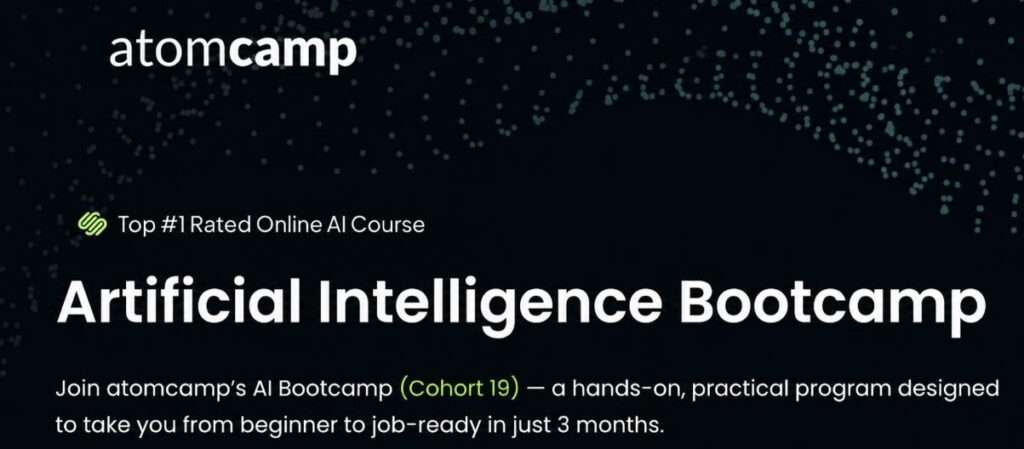
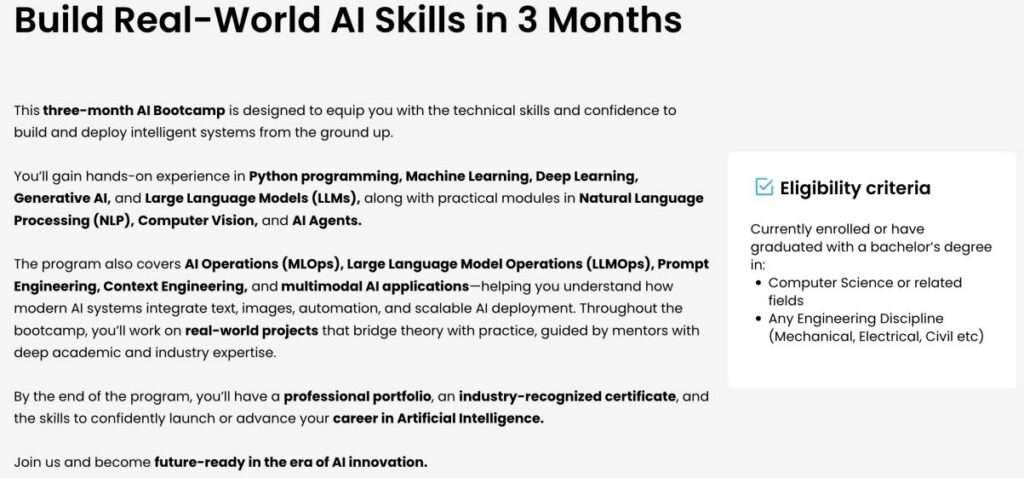
For professionals interested in building technical AI solutions, atomcamp’s Artificial Intelligence Bootcamp covers Generative AI, Large Language Models, Machine Learning, Deep Learning, NLP, Computer Vision, and AI Agents through practical projects.
2. AI Agents and Agentic AI Development
The next evolution of AI is moving beyond simple chatbots toward AI agents.
AI agents can understand goals, make decisions, use tools, and complete tasks autonomously.
From automating customer support to managing workflows, AI agents are expected to become a major part of business operations.
Important skills include:
- Designing AI workflows
- Connecting AI models to tools
- Building autonomous assistants
- Understanding agent frameworks
- Deploying AI solutions
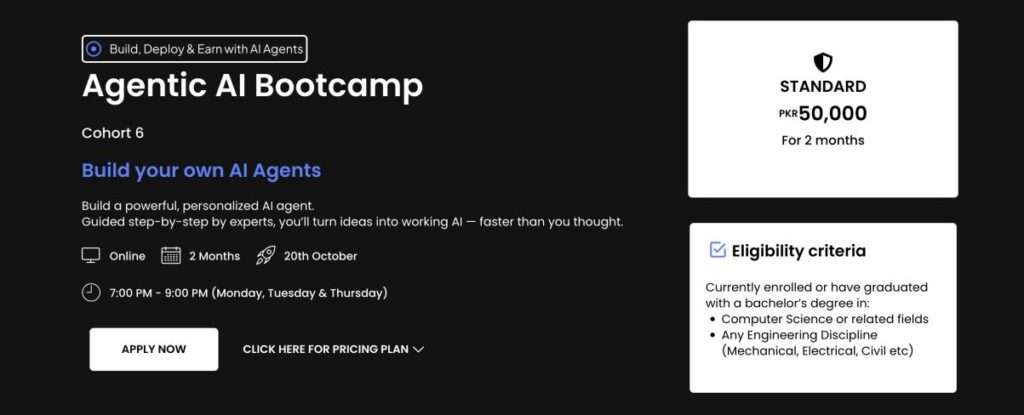
atomcamp’s Agentic AI Bootcamp helps learners build practical AI agents and understand how intelligent systems can automate real-world tasks.
3. AI Automation and Workflow Building
One of the fastest-growing AI skills in 2026 is the ability to automate routine work.
Organizations are seeking professionals who can identify repetitive processes and transform them through AI-powered automation.
Examples include:
- Automated reporting
- AI-powered customer support
- Document processing
- Email automation
- Business workflow optimization
Learning AI automation helps professionals deliver immediate value without advanced programming skills.
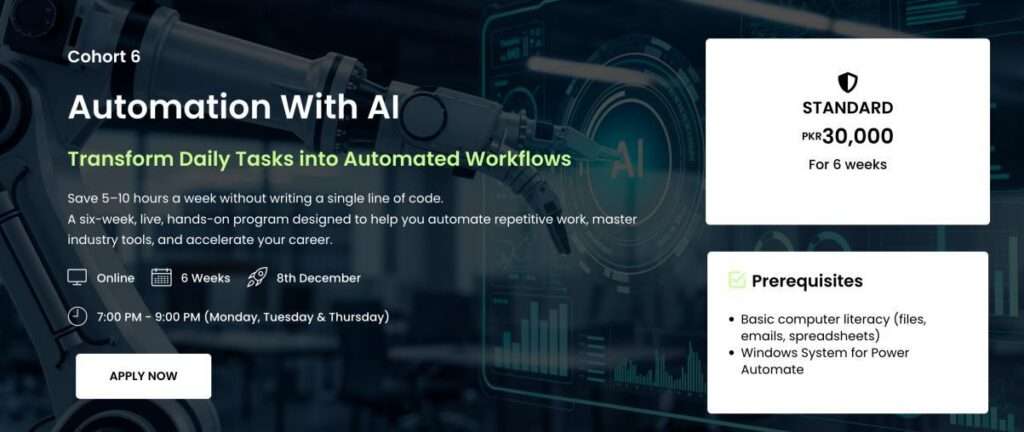
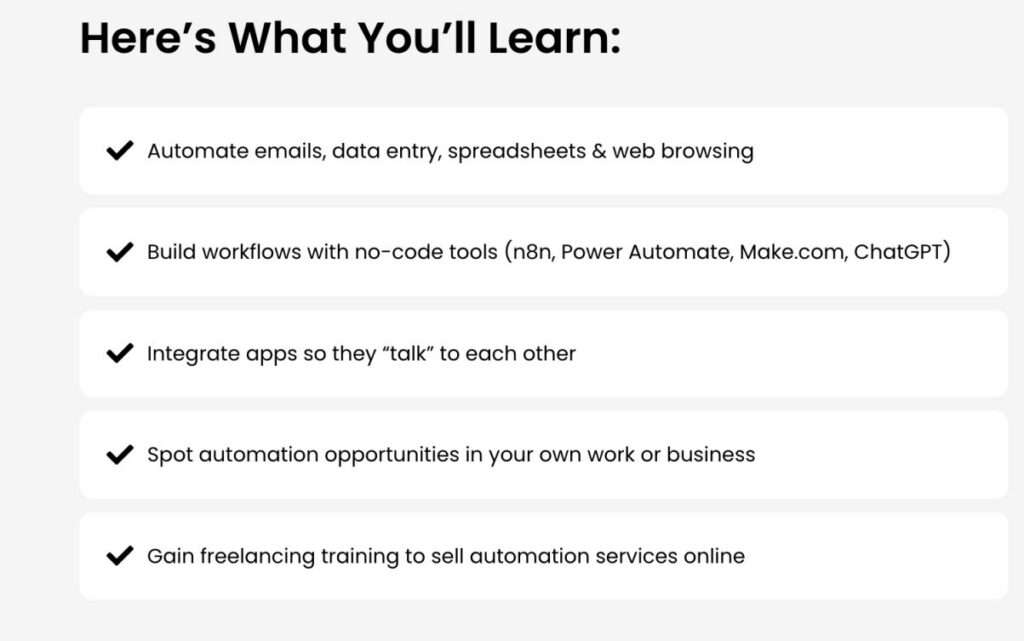
atomcamp’s Automation with AI Bootcamp focuses on practical automation skills, helping learners use modern AI tools to boost productivity and automate workflows.
4. Data Analytics and AI-Powered Decision Making
AI systems are only as effective as the data that powers them.
Understanding data remains one of the most valuable skills for anyone entering the AI space. Professionals who can collect, analyze, visualize, and interpret data will continue to be in demand.
Key data skills include:
- Excel and data cleaning
- SQL
- Python for data analysis
- Data visualization
- Basic machine learning concepts
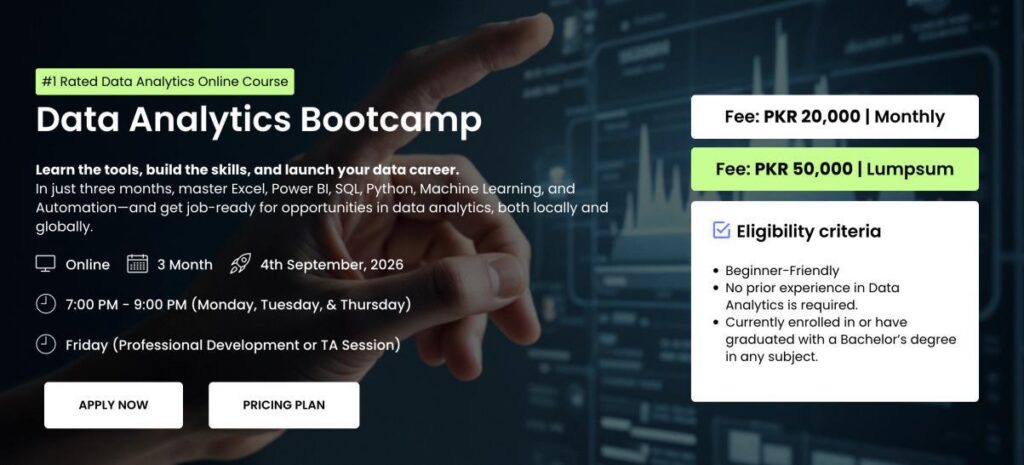
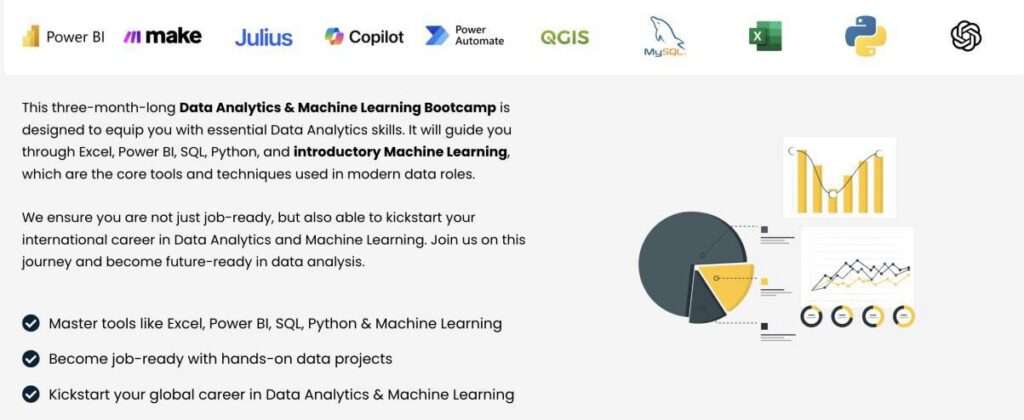
For beginners and professionals with non-technical backgrounds, atomcamp’s Data Analytics Bootcamp teaches Excel, Power BI, SQL, Python, the basics of machine learning, and practical automation techniques.
5. Cybersecurity and Digital Risk Management
As organizations become more digital, cybersecurity has become an essential skill for safeguarding data, systems, and AI-powered technologies.
Professionals who can identify threats, secure networks, and manage digital risks will play a critical role in creating safer digital environments.
Core skills include:
- Network security
- Ethical hacking
- Threat detection
- Data protection
- Cloud security
- Incident response
atomcamp’s Cybersecurity Bootcamp helps learners develop practical cybersecurity skills through hands-on training, real-world scenarios, and industry-relevant security practices.

Which AI Skill Should You Learn First?
The right AI skill depends on your background and career goals.
If you are from a technical background:
Start with:
- Python
- Machine Learning
- Generative AI
- AI Agents
An AI-focused pathway, such as atomcamp’s AI Bootcamp, provides practical experience through hands-on projects.
If you are from a non-technical background:
Start with:
- Data Analytics
- AI productivity tools
- Automation
- Generative AI applications
Programs like atomcamp’s Data Analytics Bootcamp are designed to help beginners build practical data skills without requiring prior AI experience.
If you want to improve workplace productivity:
Focus on:
- AI automation
- AI assistants
- Workflow optimization
- Agentic AI
How Long Does It Take to Learn AI Skills?
The timeline depends on your goals.
A beginner learning AI fundamentals can develop practical skills within a few months through structured learning and hands-on practice. However, becoming job-ready requires more than watching tutorials.
The most effective approach combines:
- Structured courses
- Practical projects
- Mentorship
- Portfolio building
- Continuous experimentation
Factors to Consider When Choosing an AI Course in 2026
Before enrolling in an AI course, consider the following:
Practical Projects
AI is a practical field. Choose programs that let you build real applications rather than focusing solely on theory.
Hands-on experience helps learners understand how AI works in real-world scenarios and prepares them to apply their skills professionally.
Industry-Relevant Curriculum
AI evolves quickly. Ensure the curriculum covers current technologies, including Generative AI, LLMs, automation, and AI agents.
A strong AI program should focus on skills that are relevant to current industry needs rather than outdated concepts.
Mentorship and Support
Access to instructors, teaching assistants, and career guidance can significantly enhance your learning experience.
Learning with expert support helps learners overcome challenges and apply concepts more effectively.
Your Existing Background
Not every learner needs the same AI pathway.
Choose a course that aligns with your current skills, professional goals, and the type of AI applications you want to build.
What You Should Do Now?
The future of work will not belong only to AI experts. It will belong to professionals who know how to use AI effectively.
Whether you want to transition into AI, automate your work, analyze data, or build intelligent applications, developing AI skills today can help you stay ahead.
Explore atomcamp’s AI courses and bootcamps to build practical, future-ready AI skills.
Conclusion
AI is becoming one of the most important skill areas across industries.
The most valuable professionals in 2026 will not simply know how to use AI tools. They will know how to apply AI to solve problems.
Whether you are a student, a professional, an entrepreneur, or a career changer, learning AI skills can open new opportunities.
Start with the skill that aligns with your goals, build practical projects, and continue learning as AI evolves.