Education is undergoing a seismic shift, and Artificial Intelligence (AI) is at the heart of this transformation. For centuries, education has been built on a traditional model, emphasizing memorization, standardized testing, and fixed curricula. But with AI technology, this model is being disrupted. The way we teach, learn, and interact with knowledge is evolving, and the implications of this shift are profound.
AI is no longer a futuristic concept—it’s becoming part of the educational fabric worldwide. It’s no longer just about enhancing classroom efficiency. AI is revolutionizing how we approach personalized learning, assessment, and even how teachers engage with students.
So, what does this shift mean for students, educators, and policymakers? Let’s dive into the global trends and the changes AI is driving in education.
A Global Wave: AI For Education Today
The global embrace of AI in education is undeniable. According to UNESCO, over 60% of countries have integrated AI literacy into national education strategies. At the OECD, nearly half of all universities have started using AI tools to assist with personalized learning, grading, and even curriculum design.
In 2023, HolonIQ reported that global investments in AI-driven education tools exceeded $6 billion, showcasing the rapid adoption of AI technologies in schools, universities, and corporate training programs. As AI matures, it’s clear that its role in education will only increase.
The Role of AI in Transforming Education
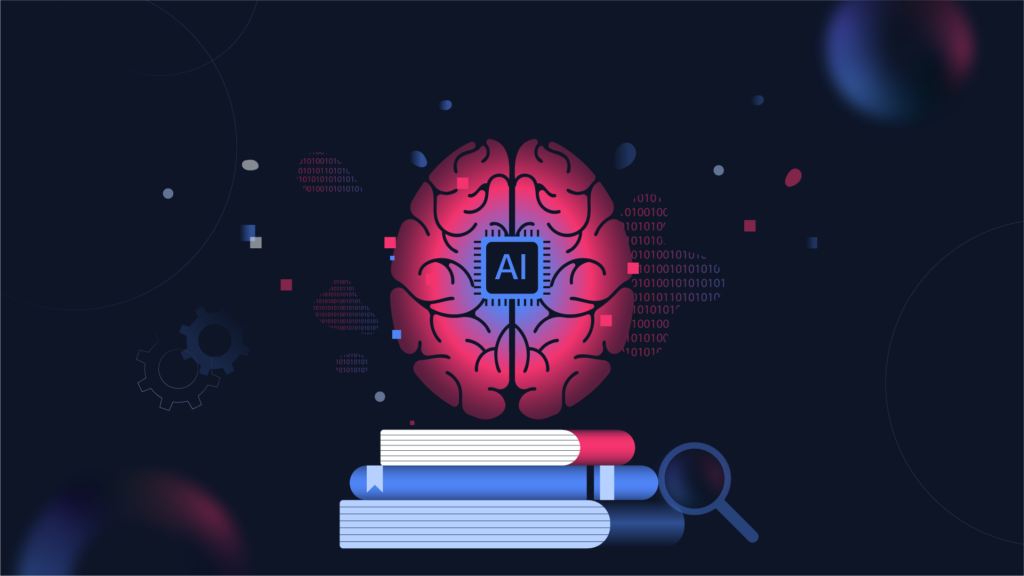
AI is doing more than just optimizing administrative processes—it’s reshaping the very foundation of learning. Here are a few of the key areas where AI is making its impact:
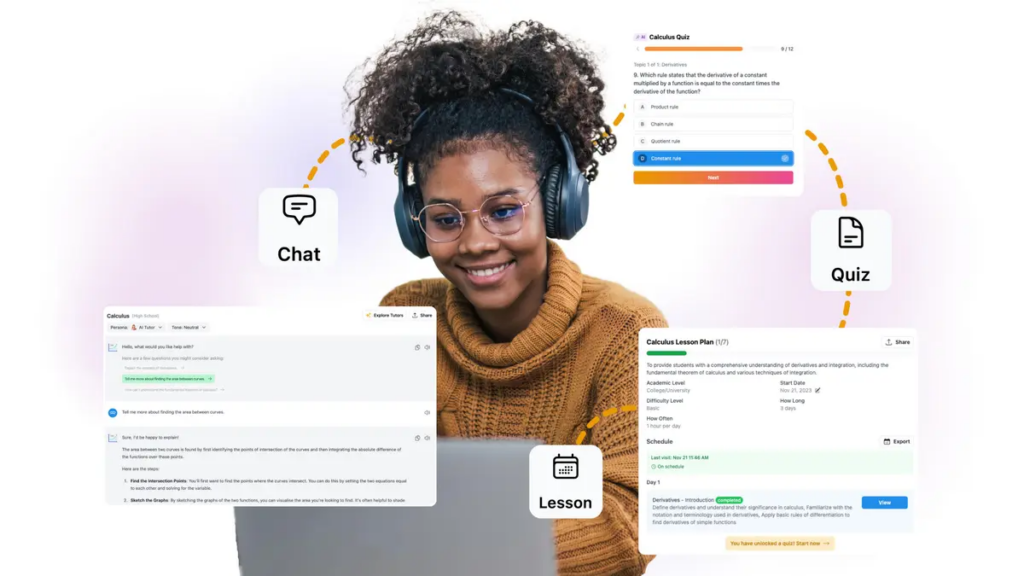
- Personalized Learning: AI can analyze individual learning patterns and provide customized resources and feedback, allowing for adaptive learning paths. This means that every student, regardless of their learning pace, can receive lessons that are tailored specifically to their needs.
- Automated Assessment: AI tools now enable educators to automate grading for everything from essays to quizzes. This automation helps instructors save time, allowing them to focus on mentorship and high-level critical thinking activities with students.
- Lifelong Learning: Traditional education has often been confined to a specific age range. With AI, however, lifelong learning has become more achievable. AI can provide continuous learning opportunities, making education a lifelong endeavor for professionals seeking to upgrade their skills.

Challenges and Opportunities for Educators
While AI presents exciting opportunities, educators also face challenges when adopting this technology. For instance, there’s a growing need for AI literacy among teachers. Educators must not only understand how AI tools work but also how to integrate them into the curriculum without losing sight of their primary educational goals: fostering creativity, critical thinking, and problem-solving.
The key here is AI as a tool to augment teaching, not replace it. Teachers will still play a crucial role in nurturing students’ creativity, ethics, and socio-emotional intelligence—skills that AI cannot replicate.
AI Training and Collaboration with Universities
Recognizing the need for a shift, organizations like atomcamp have been pioneering collaborative efforts with leading universities in Pakistan and Saudi Arabia. By partnering with institutions like LUMS, FAST-NUCES, King Abdulaziz University, and KFUPM, atomcamp is actively embedding AI literacy within university curricula. These collaborations aim to offer joint training programs that bridge the gap between industry and academia.
atomcamp’s initiative also extends beyond universities—AI for Everyone courses have been introduced in Saudi universities for undergraduate students, ensuring that AI education is not limited to technical disciplines. This inclusivity is essential for the next generation of leaders who will need to navigate an AI-infused world.
In Pakistan, atomcamp worked alongside Meta, the Higher Education Commission, and the Ministry of IT & Telecom to train over 300 professors in AI literacy. The ripple effect of this training will impact thousands of students, ensuring they graduate with the knowledge needed to succeed in a tech-driven world.

The Need for Policy Innovation
As exciting as these developments are, the adoption of AI in education is still at an early stage. Policymakers and educators must come together to create a forward-thinking framework that integrates AI responsibly. This framework should:
- Redesign the curriculum to include AI as a foundational literacy
- Support ongoing faculty training to integrate AI tools effectively
- Foster cross-collaboration between industry, academia, and government
It’s also important to consider the societal implications of AI in education, especially concerning privacy, accessibility, and equity.
What Lies Ahead: The Role of AI in Personal Learning Development
As AI continues to evolve, one of its most fascinating applications in education will be its ability to promote personal learning development. Traditionally, learning has focused on codified knowledge—what you memorize and regurgitate. But AI is helping unlock a new dimension of learning: the ability to codify tacit knowledge.
For the first time in history, individuals can access vast pools of knowledge and receive personalized feedback without the barriers of traditional education systems. AI can support students in developing new skills, from coding to critical thinking to emotional intelligence, all at their own pace and on their own terms.
This shift makes lifelong learning a realistic goal for everyone, whether they are a high school student, a university professor, or a professional seeking to pivot careers. AI for personal learning development will undoubtedly play a central role in reshaping the future of education.
Conclusion: A Collaborative Future for Education
The rise of AI in education is not something to fear—it’s an opportunity to reshape the very fabric of how we teach, learn, and think. As AI technology advances, universities, policymakers, and educators must come together to ensure that education systems are redesigned for a new cognitive era.
AI doesn’t replace teachers; it amplifies their impact. It doesn’t limit students; it unlocks new possibilities for personalized, lifelong learning. And as we move forward, institutions like AtomCamp will continue to partner with universities and governments to ensure AI’s role in education is equitable, accessible, and responsible.